
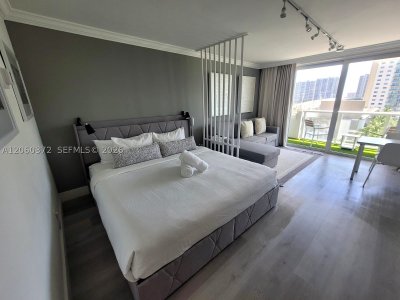
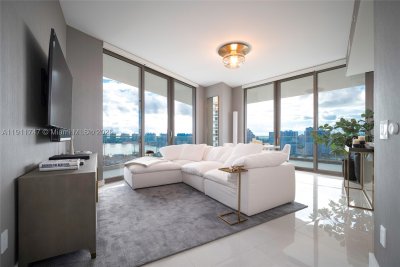
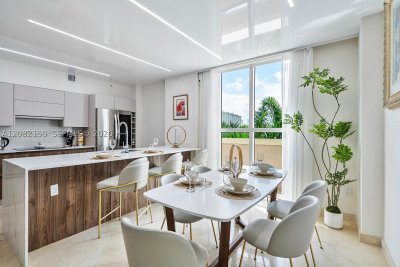
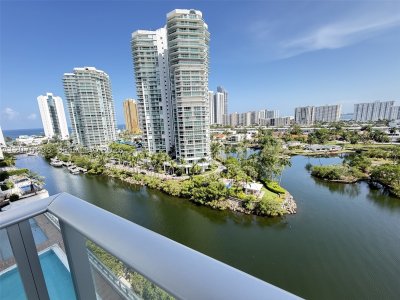
Aventura Beach Club Unit #632
Asking price
$129,000
 |
|
Today we list 159 active foreclosure condos in Miami, bank-owned units available for purchase.
Our licensed agents specialize in distressed sales and guide buyers through every step from search to closing.
Foreclosure in Miami means the condo has already gone through repossession and is being sold by the bank or loan servicer as REO (Real Estate Owned). These units appear on the MLS as foreclosure listings and may be priced below comparable units in the same building — but not every discount is a real opportunity.
This list shows active foreclosure condos in Miami and the surrounding area, with photos, price, square footage, bedrooms, and a link to each building profile. Use the filters to narrow by price, area, bedrooms, and neighborhood, and compare units before submitting an offer.
Buyers often ask the same questions: whether foreigners can purchase, whether cash is required, how long closing takes, and what risks exist with as-is properties. See the foreclosure FAQ at the bottom of this page or contact our agents. To compare with owner-approved short sales, visit our short sale listings or the Foreclosures & Short Sales hub.
Today we list 159 active foreclosure condos in Miami, bank-owned units available for purchase.
Our licensed agents specialize in distressed sales and guide buyers through every step from search to closing.
Foreclosure in Miami means the condo has already gone through repossession and is being sold by the bank or loan servicer as REO (Real Estate Owned). These units appear on the MLS as foreclosure listings and may be priced below comparable units in the same building — but not every discount is a real opportunity.
Thi s list shows active foreclosure condos in Miami and the surrounding area, with photos, price, square footage, bedrooms, and a link to each building profile. Use the filters to narrow by price, area, bedrooms, and neighborhood, and compare units before submitting an offer.
Buyers often ask the same questions: whether foreigners can purchase, whether cash is required, how long closing takes, and what risks exist with as-is properties. See the foreclosure FAQ at the bottom of this page or contact our agents. To compare with owner-approved short sales, visit our short sale listings or the Foreclosures & Short Sales hub.

 $6,000 (2.3% price drop)
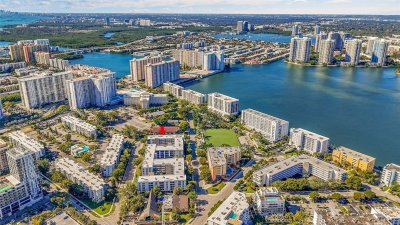
$50,000 (12.5% price drop)
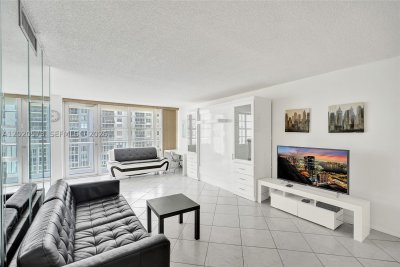
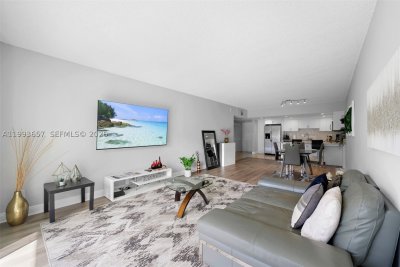
$20,000 (4.7% price drop)
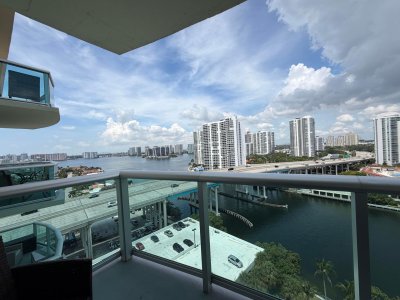
$2,000 (0.5% price drop)
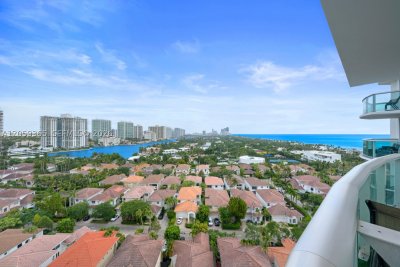
$10,000 (1.9% price drop)
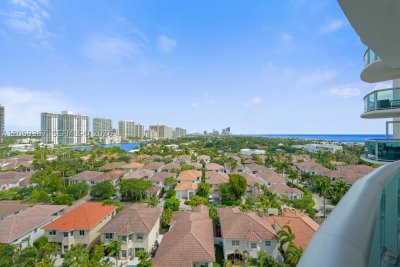
$10,000 (1.9% price drop)
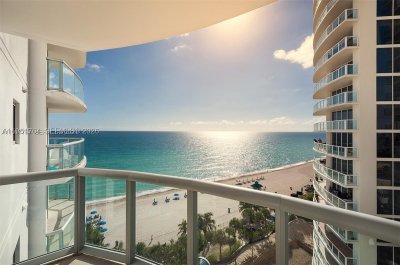
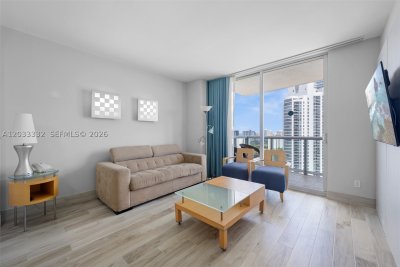
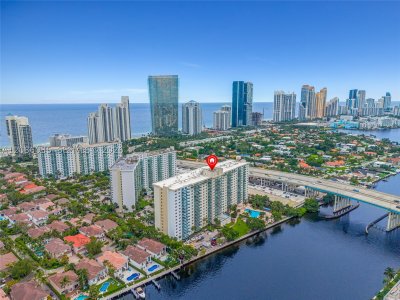
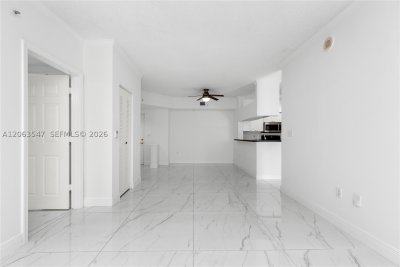
$60,000 (10.2% price drop)
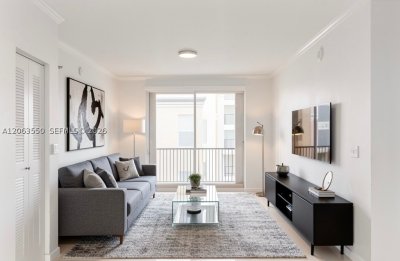
$60,000 (10.2% price drop)
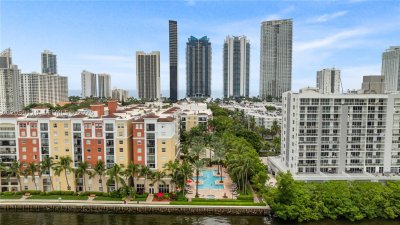
$60,000 (10% price drop)
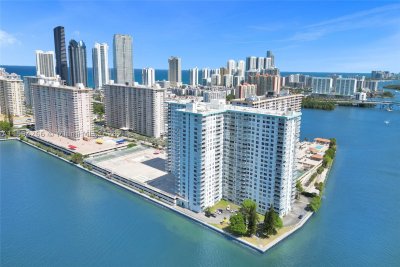
$30,000 (4.8% price drop)
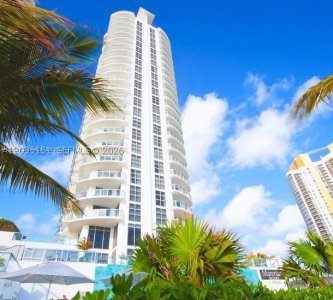
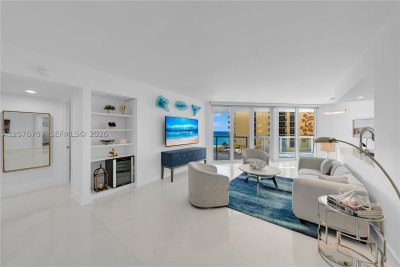
Clear answers about bank-owned properties, the Florida purchase process, and what to watch for before making an offer.
Key points to watch include:
A professional inspection and a review of condo rules remain essential.
Choose a date to speak with a Miami condo specialist by phone, video call, or in person in Miami.
Choose month
Thank you! Our team will contact you shortly to confirm your consultation.
For immediate assistance call our Miami office at 305-728-0840 or Brazil (SP) at 11-3957-0613.

Miami Realty Solution Group, Inc
90 SW 3rd Street, Retail #3
Miami, Florida 33130
Located at the Ivy condominium in Brickell
Thank you for contacting Miami Condo Solution. One of our agents will reach out shortly.
For immediate assistance call our Miami office at 305-728-0840 or Brazil (SP) at 11-3957-0613.
Miami Realty Solution Group, Inc
90 SW 3rd Street, Retail #3
Miami, Florida 33130
Located at the Ivy condominium in Brickell
Browse condos and buildings in Miami’s most popular neighborhoods.